

Back tension can follow you from your desk to your workout and make everyday movement feel less comfortable. Manual trigger point therapy uses focused pressure on tender muscular areas. At Mudras, this work may be one part of a BodyReset session shaped around how you feel, how you move, and what you want to address.
At Mudras Bespoke Therapeutic Massage in Chelsea, NYC, founder Yotam Kafri brings 24 years of professional experience to personalized bodywork. His signature BodyReset combines assessment, hands-on techniques, mobility work, and assisted stretching as appropriate. Trigger point work is one option within that approach, with pressure and technique adapted throughout the session. This article covers manual bodywork; injections and dry needling are separate procedures.
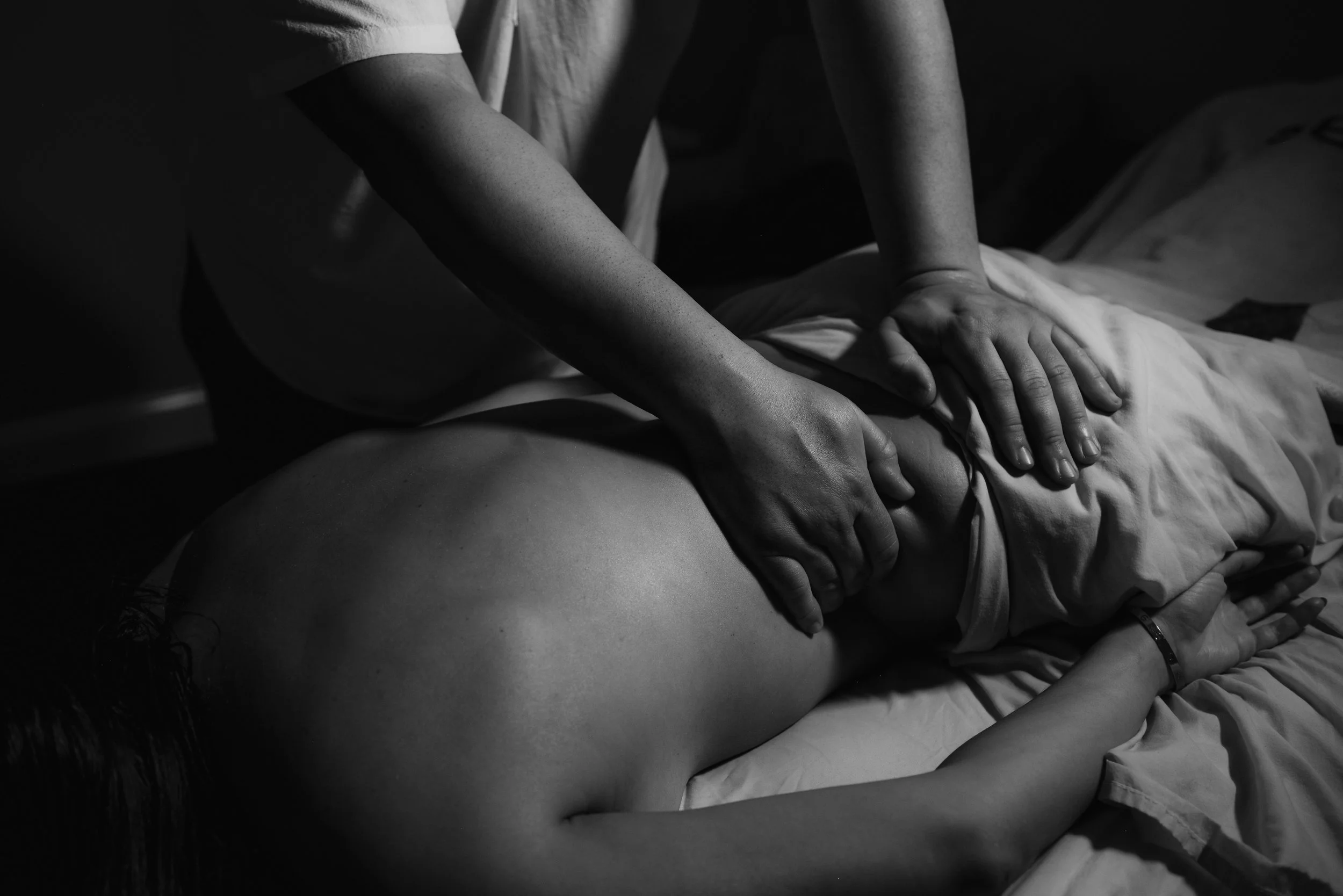
What Is a Trigger Point?
The term describes a sensitive area within a taut band of muscle, often described as a knot. Pressure may reproduce local discomfort or discomfort felt elsewhere, known as referred pain. Practitioners may describe points as active when associated with familiar symptoms, or latent when tender mainly on pressure.
A tender spot is only part of the picture: muscles, joints, nerves, and other factors can contribute to back pain. Understanding your symptoms and history helps guide whether focused bodywork is appropriate.
What to Expect from a BodyReset with Yotam
Your session begins with a conversation about where you feel discomfort, when it started, and how it affects your day. Whether your priority is sitting more comfortably, moving with less stiffness, or addressing familiar tension after training, share that goal with Yotam. Let him know about injuries, diagnoses, surgery, medications, and any current treatment.
Yotam may observe comfortable movements and assess relevant soft tissue by hand. If focused pressure is appropriate, he introduces it gradually and adjusts to your feedback. This hands-on assessment guides the session; it does not establish a medical diagnosis.
Depending on your needs and response, Yotam may combine trigger point work with myofascial release, deep tissue massage, mobility work, or assisted stretching. Focused work on a tender area can sit alongside broader work on the surrounding muscles. The combination can change as the session progresses.
You do not need to choose a technique in advance. BodyReset is the session you inquire about; Yotam considers which techniques suit your goals, comfort, and health history.
Areas That May Be Included
Depending on your symptoms, assessment, and consent, Yotam may work with:
Lower back muscles where you notice familiar tenderness or stiffness.
Hips and glutes when relevant to your movement and comfort.
Upper back and shoulder muscles when tension affects those areas.
Muscles around a previously injured area, after considering its current condition and any medical precautions.
The areas included are chosen around your needs, rather than following a fixed routine. You and Yotam can discuss what feels relevant and what you would prefer to avoid.
Pressure, Positioning, and Your Comfort
Before hands-on work begins, discuss comfortable positioning, pressure preferences, and any areas you would like Yotam to avoid. If work around the hips or glutes is proposed, discuss clothing, draping, and your preferences so you know what to expect.
Focused pressure can feel different from broader strokes, but you should not need to endure pain or brace against the work. You can ask for lighter pressure, a different position, a pause, or an end to work on an area at any time.
Tell Yotam immediately about sharp or shooting pain, tingling, numbness, or other unexpected symptoms so he can stop and reassess. Mild soreness can occur afterward, but it is not a measure of effectiveness. Seek medical advice for severe, unusual, or worsening symptoms.
What Does Research Say About Trigger Point Therapy for Back Pain?
Evidence for manual trigger point therapy remains limited. A systematic review by Denneny and colleagues, published online in 2018 and in a 2019 journal issue, examined 19 trials involving 1,047 adults with several chronic noncancer pain conditions, not only back pain. It found no demonstrated short-term pain benefit overall, although some measures of function and patient-reported improvement favored treatment. The authors judged the evidence weak and concluded that it did not support recommending the therapy at that time.
For broader context, the World Health Organization’s 2023 guideline conditionally recommends that massage may be offered as part of care for chronic primary low-back pain, based on very low-certainty evidence. That recommendation concerns massage generally and does not establish that trigger point therapy specifically is effective.
For your session, agree on a practical goal and assess your response afterward. Some people report changes in comfort or movement, while others do not benefit. Bodywork should complement appropriate medical care, exercise, or rehabilitation.
When to Seek Medical Care Before Massage
Back pain with new bladder or bowel changes, loss of feeling around the genitals or anus, or pain, numbness, tingling, or weakness in both legs requires emergency assessment. Back pain after a serious accident also needs emergency care. These symptoms do not all have to occur together.
Seek prompt medical advice for sudden severe pain, rapidly worsening pain, or back pain with fever or feeling unwell. Arrange an assessment for unexplained weight loss, persistent or recurring symptoms, or pain that affects daily activity or sleep. NHS guidance on back pain explains these warning signs.
Medical assessment and bodywork serve different roles. Where further evaluation is needed, seek it before arranging focused pressure work.
Supporting Comfortable Movement Between Sessions
Start with changes that fit your symptoms and routine, rather than trying to force a tender spot to release:
Change positions regularly and take brief walking or movement breaks when comfortable.
Adjust your workstation so you can reach your screen, keyboard, and mouse without repeatedly straining.
Notice which activities make symptoms better or worse, and share those observations with Yotam or your treating clinician.
Seek an individualized exercise or rehabilitation plan if pain persists or limits what you can do.
Stretching and home massage tools do not suit every condition. Avoid pressing through pain, and ask your clinician for guidance if you have a diagnosis, nerve symptoms, or recurring discomfort.
Inquire About a BodyReset with Yotam in Chelsea, NYC
A founder BodyReset session offers dedicated time with Yotam to discuss your needs and receive bodywork adapted to your goals and comfort. Trigger point work may be included when appropriate, alongside other techniques.
To explore a session with Yotam, submit an inquiry through the Mudras website. Tell our team what you would like to address and your preferred appointment times so we can help coordinate his availability.
Frequently Asked Questions
Q. Does trigger point therapy have to hurt?
No. The pressure is more localized than a broad massage stroke, but it should be adapted to your comfort. You can ask for an adjustment or stop at any time. Intense pressure is not a requirement for benefit.
Q. Can trigger point therapy fix a herniated disc or sciatica?
Manual pressure does not repair a disc or resolve nerve compression. It may be considered for associated muscular discomfort when appropriate, but symptoms traveling down a leg need assessment. Discuss suitability and precautions with your treating clinician.
Q. How long does any relief last?
The response varies. Some people notice a temporary change in comfort or movement, while others do not benefit. Discuss what changed and how long it lasted so any next steps reflect your experience.
Q. Can I use a massage ball or foam roller at home?
Some people find gentle self-massage comfortable, but the sensation of a knot does not identify what is causing pain. Avoid direct pressure over the spine or other bony areas, and stop if pressure causes sharp pain, tingling, or numbness. Ask for individualized advice if symptoms persist or you have a known condition.
Q. Is trigger point work suitable for back pain that has lasted for years?
Persistent back pain should be assessed, particularly if it has never been evaluated or has changed. Share any diagnosis, medical precautions, and treatment plan with Yotam before your session so he can consider whether bodywork is appropriate.
