

Trigger Point Therapy NYC: Focused Care for Deep Muscle Tension
Precise, Hands On Work for the Muscle Knots That Don't Respond to a Regular Massage
Experience Targeted Relief with Trigger Point Therapy
Some muscle pain doesn’t come from a clear injury. It slowly builds up from your posture, repeated movements, or daily stress and settles into one small spot that stays sore no matter how much you stretch. That spot may be a trigger point. It is a tiny muscle area that has stayed tight longer than it should have.
Trigger point therapy in NYC is one of the core techniques our Mudras specialists use to work with precision on that exact spot. It's often part of a fully customized session, most commonly built into our signature BodyReset and shaped around what your body needs that day rather than a fixed routine.
What Is a Trigger Point?
A trigger point is a tight, tender knot within a band of muscle. Press on one and the soreness can stay right there or it can be felt somewhere else in the body entirely. This is often called referred pain and it explains why a tight neck or shoulder sometimes shows up as a headache elsewhere.
Some trigger points sit quietly and only ache when pressed on. Others are more active and can affect movement or comfort on their own. Left alone, either type can build over time, particularly with repeated strain in the same area.
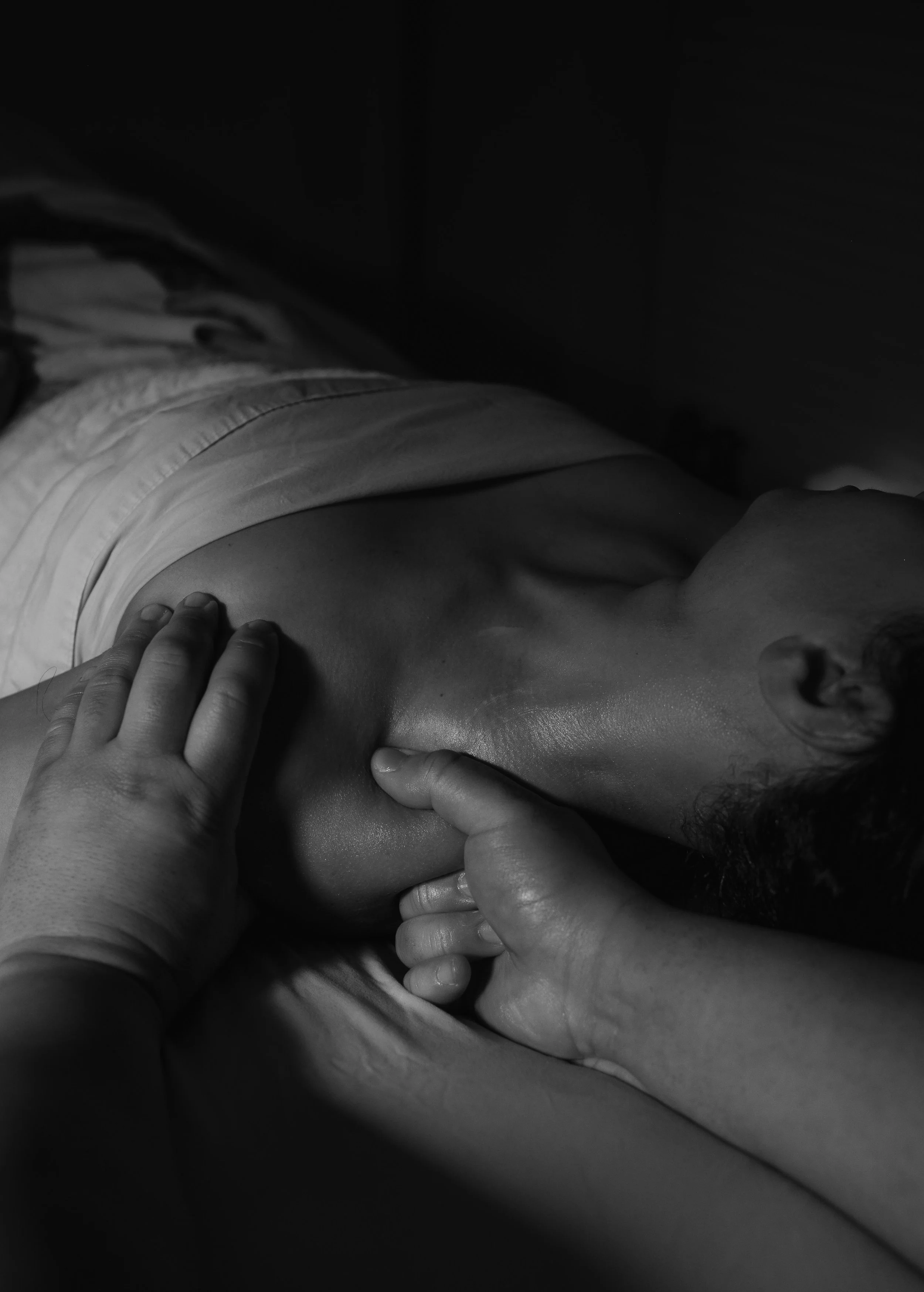
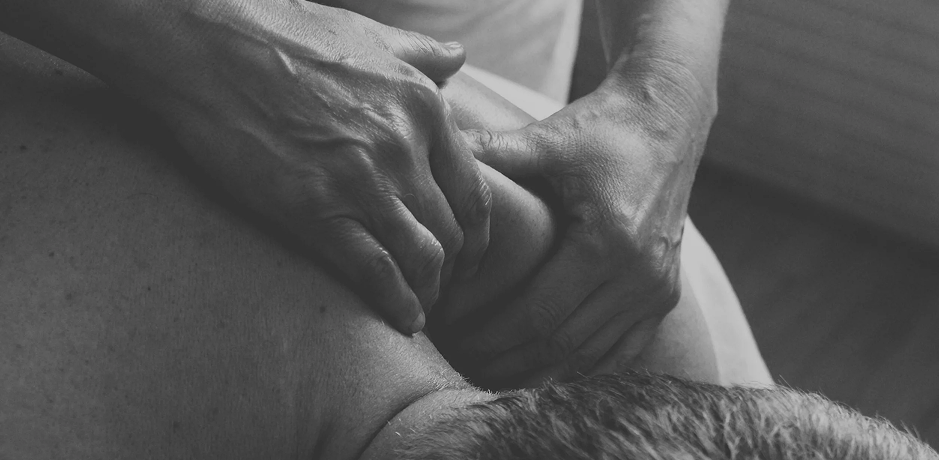
Trigger point therapy applies focused, sustained pressure to these points using thumbs, knuckles, elbows or forearms directed at localized areas of muscle tension. It's a more targeted tool than deep tissue massage which works broadly across a wider area. Many clients benefit from both used together within the same session.
How Mudras Approaches Trigger Point Therapy in NYC
Mudras was founded by Yotam Kafri, a third generation practitioner with more than two decades of experience across Western, European and Eastern massage traditions. Today, our specialists build on that same individualized approach combining hands on experience with techniques selected around each client's needs rather than a predetermined routine.
-
![Close-up of hands performing a massage on a person's back in a black-and-white photo.]()
Decades of combined experience
Our team brings decades of hands-on training across techniques including trigger point therapy, neuromuscular therapy and myofascial release. Locating a trigger point accurately and knowing how much pressure it needs takes real repetition to get right.
-
![A person receiving a massage with a massage stone on their back in a spa or therapy setting.]()
A session shaped around you
Every visit starts with a conversation about where the tension is and what's been tried already. From there, your specialist builds the session, often as part of our signature BodyReset, around what your body actually needs that day.
-
![Close-up of a person receiving a massage on their back in a dimly lit room, focusing on the hand applying pressure.]()
Techniques that work together
Trigger point work is rarely used on its own here. It's usually paired with myofascial release, assisted stretching or other techniques within the same session so the surrounding muscle gets addressed too.
-
![A close-up black and white photo of a person's hand resting on their chest.]()
Decades of combined experience
Our team brings decades of hands-on training across techniques including trigger point therapy, neuromuscular therapy and myofascial release. Locating a trigger point accurately and knowing how much pressure it needs takes real repetition to get right.
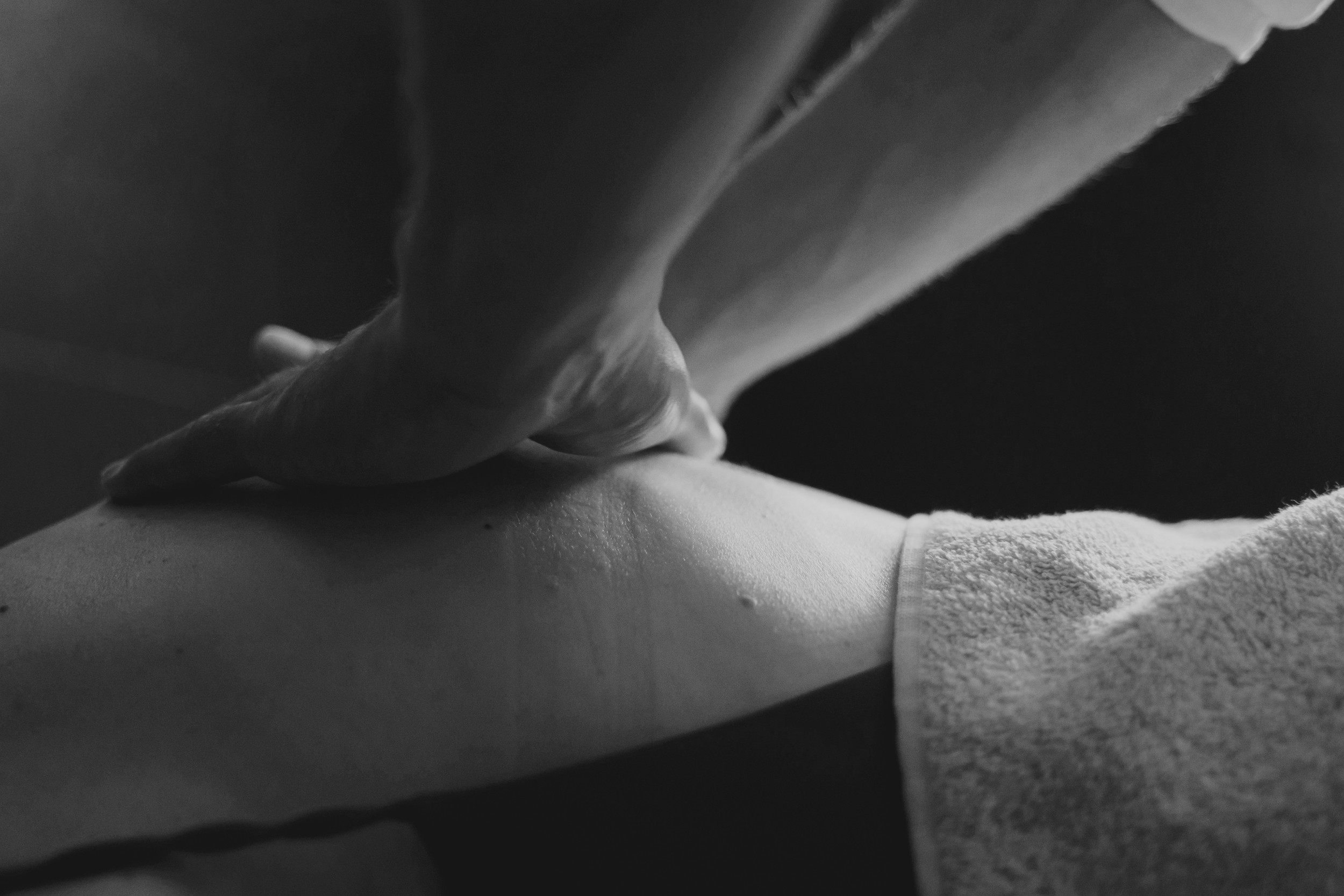
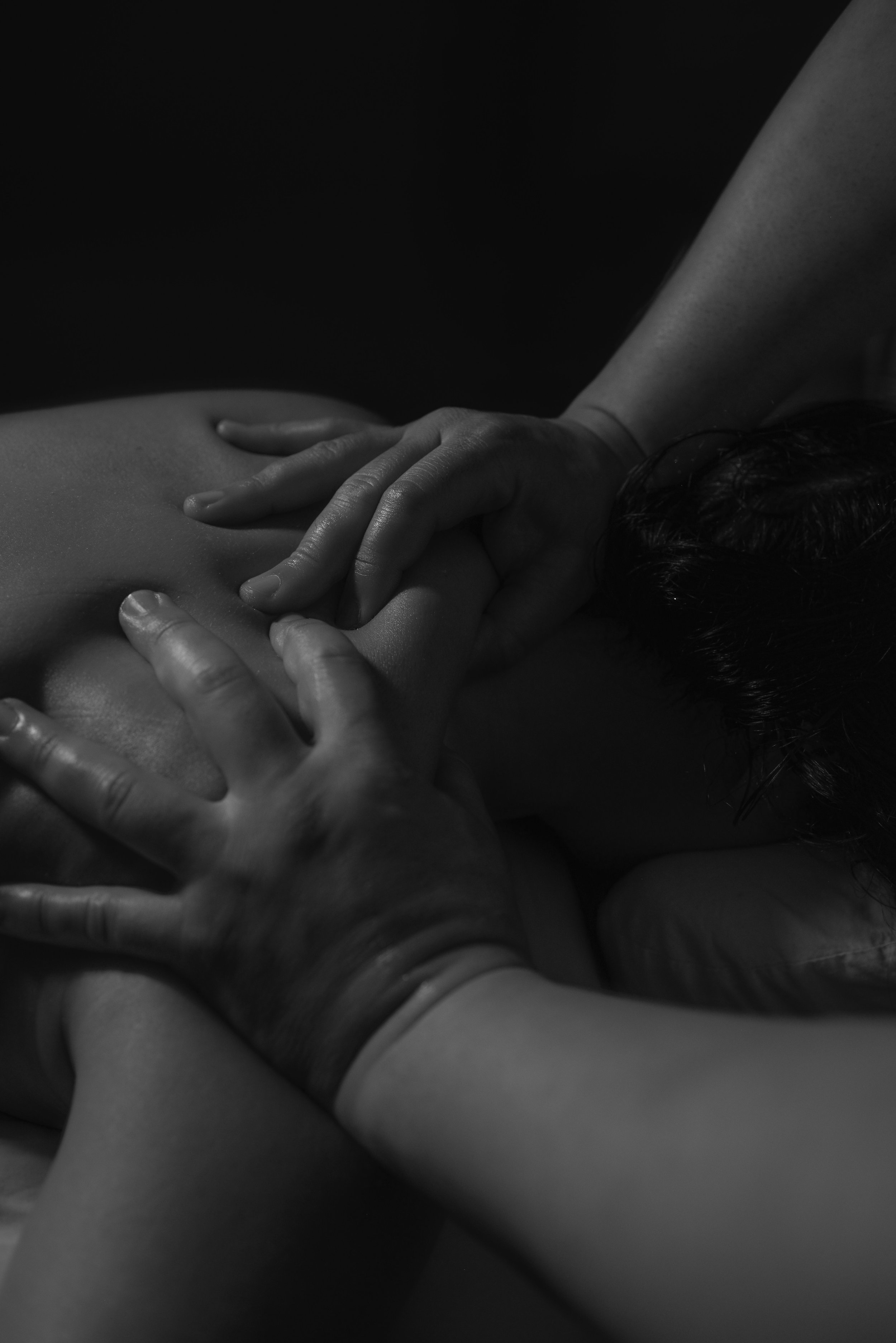
How We Treat Trigger Points
A session usually opens with a short conversation: where it hurts, how long it's been there and what tends to make it better or worse. Your specialist then assesses the area by hand feeling for the tight band and the point within it that reproduces the discomfort when pressed.
Treatment involves sustained pressure held for several seconds at a time sometimes repeated a few times to address localized muscle tension. This can feel intense in the moment and your specialist checks in throughout to keep the pressure at a level you're comfortable with.
Because a single point rarely tells the whole story, this work is typically folded into a broader session, where techniques like myofascial release or targeted stretching are incorporated to address surrounding areas as appropriate. Most sessions run 60 or 90 minutes.
Chronic knots in the neck, shoulders or upper back
Tension headaches and jaw tightness linked to upper body tension
Stiffness following a long stretch of poor posture or overuse
Discomfort that shows up in one area but seems to originate in another
General muscle tightness from repetitive movement or uneven strain
Lingering tension around an area affected by an older injury
Situations Where Trigger Point Therapy May Be Used

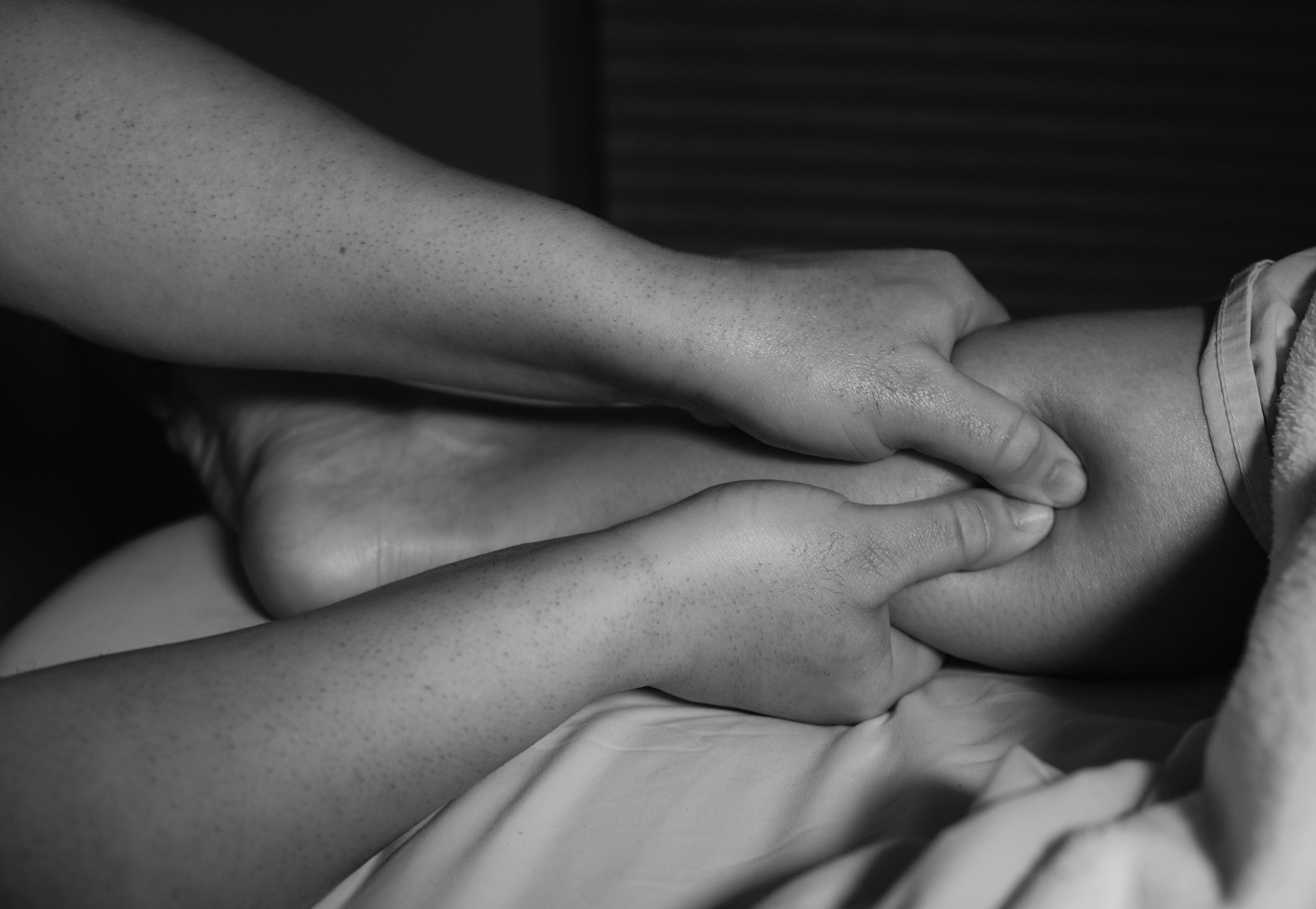
Who Benefits Most from Trigger Point Therapy
This isn't limited to athletes. Anyone who spends long hours at a desk, on a phone or on their feet in the city tends to build up tension in similar spots over time. We commonly work with:
Desk based professionals with recurring neck or shoulder tension
Runners, lifters and recreational athletes managing tight calves, hips or glutes
Clients doing repetitive hand or forearm work
New parents adjusting to the physical demands of carrying and caring for a baby
Anyone with recurring tension headaches
Clients working through lingering tightness around an older injuryOur team will talk with you before the session begins if you are newer to bodywork or unsure how much pressure feels right. Pressure can also shift within a single session depending on the area being worked.
If pressing on one spot causes discomfort elsewhere or a knot keeps returning no matter how often you stretch, it's worth discussing trigger point therapy with a specialist.
What to Expect at Your Session at Mudras
Before: Let your specialist know where the discomfort is, how long it's been there and about any recent injuries or sensitive areas.
During: Expect direct and sustained pressure on the affected points. It can feel intense and many clients describe a brief ache that mirrors the discomfort they came in with. Speak up if anything feels like too much.
After: Mild soreness for a day or so isn't unusual, similar to how a muscle can feel after a workout. Staying hydrated and moving gently for the rest of the day tends to help.
Ready to Address the Knot That Won't Let Go?
Trigger point therapy at Mudras is built into a fully customized session, most often as part of our signature BodyReset and shaped by our team's decades of combined experience. Whether it's one stubborn spot or a pattern of tension that's been building for a while, our specialists know how to work with it thoughtfully..
Frequently Asked Questions
-
Trigger point therapy is a hands on technique that applies sustained, targeted pressure to a specific, tender knot to help reduce localized muscle tension. It's commonly used for chronic neck and shoulder tension, tension headaches and discomfort that shows up in one part of the body but seems connected to another.
-
There's usually some discomfort while pressure is applied directly to a tender point. Most clients describe it as intense but manageable rather than sharp. Your specialist checks in throughout and adjusts pressure to what feels right for you.
-
Deep tissue massage works broadly across a muscle group. Trigger point therapy is more specific, targeting one identifiable knot directly. At Mudras, the two are often combined within the same BodyReset session.
-
That depends on how long the tension has been building and how your body responds. Individual responses vary. Some clients feel a change after one session, while others choose a series of sessions depending on their goals and how their body responds. Your specialist can talk through what might work once they've assessed the area.
-
Most sessions run 60 or 90 minutes. Since trigger point work is usually part of a broader, customized session, that time allows your specialist time to assess the area and tailor the session accordingly.
-
Largely, yes. What people often call a knot is a trigger point, a small area of muscle that has stayed tight and tender. Trigger point therapy addresses that spot directly rather than working around it.
Contact & Booking
Mudras is located at 37 W 20th Street in Chelsea, Manhattan. Appointments are available Monday through Saturday, 11 AM to 9 PM.