
Sports Massage for CrossFit Athletes in NYC: Recovery After Intense Training
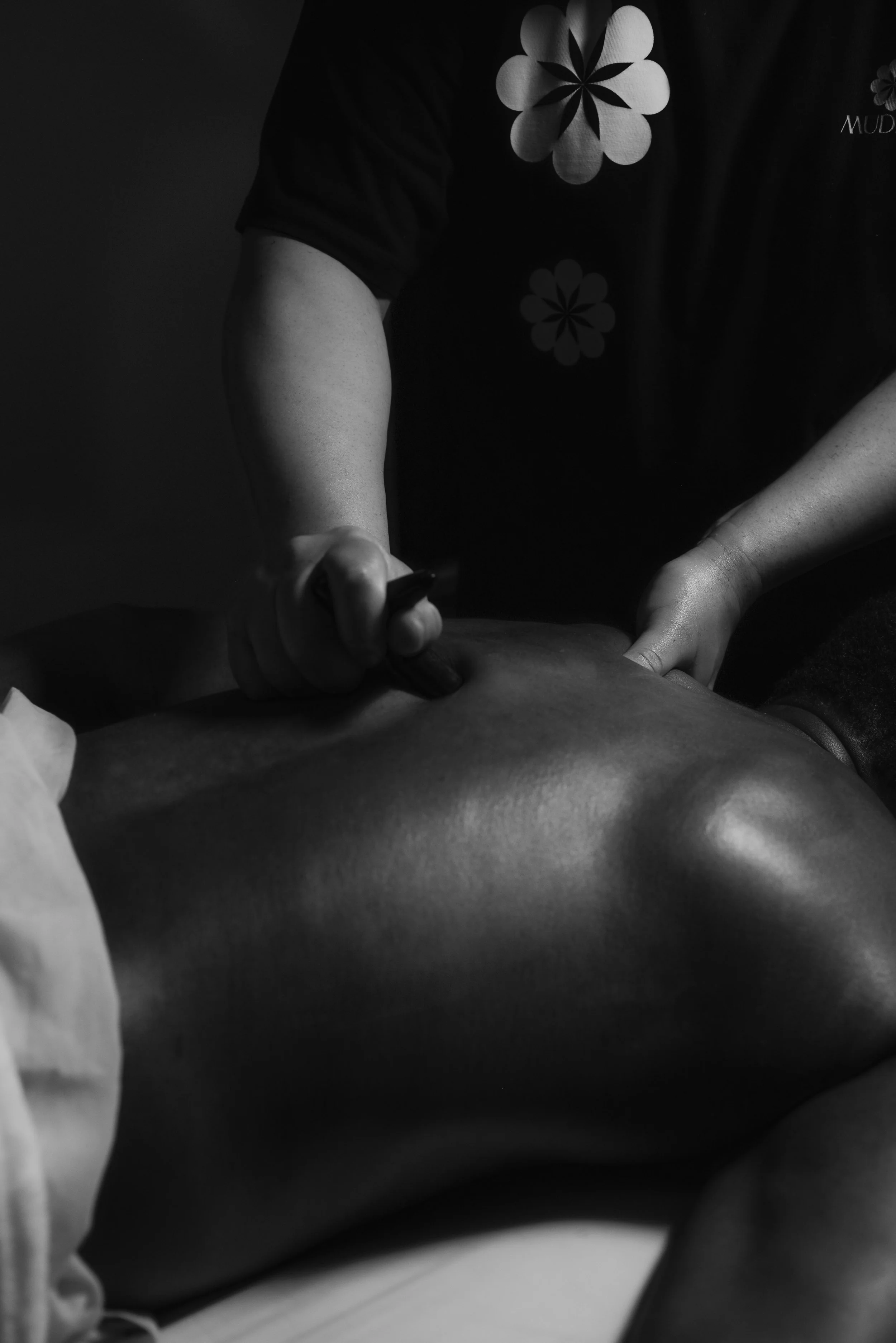
CrossFit places varied demands on your body. At Mudras, sports massage follows our signature BodyReset approach: personalized therapeutic bodywork shaped around your training, areas of tension, and recovery goals. Techniques and pressure are selected intentionally and adjusted throughout the session to your response.
Whether you are managing tightness between training sessions or preparing for a competition, the focus is on what your body needs that day. Your session may combine deep tissue work, trigger point therapy, myofascial release, and assisted stretching, where appropriate.
Why CrossFit Places Demands on Recovery
CrossFit combines strength training, gymnastics, and conditioning. Overhead lifts, squats, running, and repeated gripping place different demands on the shoulders, hips, lower back, legs, and forearms.
A survey published in the Orthopaedic Journal of Sports Medicine found that 75 of 386 respondents reported an injury, with the shoulder, lower back, and knee among the most commonly affected areas. The 19.4 percent figure describes that study sample; it is not a universal injury rate for CrossFit athletes.
Intense or unfamiliar exercise can also lead to delayed-onset muscle soreness, or DOMS. Soreness and stiffness may affect how comfortable movement feels in the days after training. Recovery planning should account for your workload, rest, and any symptoms that persist.
What Research Says About Massage and Soreness
A 2017 systematic review and meta-analysis published in Frontiers in Physiology included 11 articles involving 504 participants. It found lower reported muscle soreness at 24, 48, and 72 hours after strenuous exercise among participants who received massage compared with those who received no intervention.
These findings suggest massage may help ease post-exercise soreness. They do not establish that every athlete will respond the same way or that massage prevents injury. Sports massage belongs within a broader recovery plan that includes appropriate training, sleep, and nutrition.
How Mudras Tailors BodyReset to Your Training
Your training informs the session, but it does not dictate a fixed sequence of techniques. Our specialists are personally selected by founder Yotam Kafri to deliver a tailored approach. We consider your areas of concern, preferences, and response to the work throughout the appointment.
Shoulders and Upper Back
Overhead pressing, pull-ups, and gymnastics movements place demands on the shoulders and upper back. Targeted bodywork, including trigger point therapy where appropriate, may help ease muscular tension in these areas.
Hips and Lower Back
Squats, deadlifts, and Olympic lifts load the hips, glutes, and lower back. Deep tissue massage may be incorporated when appropriate, with pressure adjusted to your comfort and current recovery needs.
Legs and Tissue Around the Knees
Running, box jumps, and squatting can leave the surrounding muscles feeling tight. Work on the thighs and calves, including myofascial release where appropriate, can form part of a session focused on comfort and mobility. Persistent knee pain should be evaluated by a qualified healthcare provider.
Wrists and Forearms
Barbell cycling, kettlebell work, and pull-ups involve repeated gripping. Targeted forearm work and assisted stretching may be included according to your needs and tolerance.
When to Consider Sports Massage
A tailored session may be useful if you:
Notice muscular tightness or soreness between training sessions.
Want to plan bodywork around a competition or benchmark workout.
Experience training-related tension that affects comfort outside the gym.
Have been advised by your healthcare provider that massage is appropriate within your recovery plan.
Persistent, sharp, or recurring pain warrants evaluation by a physician or physical therapist. Share any injury history and relevant provider recommendations before your session.
What to Expect at Mudras
Consultation: A focused conversation about your training, areas of concern, relevant health history, and goals.
Personalized focus: Your specialist uses that information to select the areas and techniques appropriate for the session.
Responsive bodywork: Pressure and technique are adjusted throughout the appointment, with ongoing communication about comfort.
Next steps: Discuss how your body responds and how future sessions might fit around your training.
Sports massage complements appropriate medical care. It does not replace diagnosis, injury treatment, or rehabilitation. If you are receiving care from a physician, chiropractor, or physical therapist, share their guidance so the session can respect your care plan.
Planning Massage Around Training
Both before and after training can be appropriate, depending on your goals and how your body feels. Allow space between intense exercise and bodywork where possible, rather than scheduling immediately before or after a demanding workout.
Before a competition: Discuss timing and intensity in advance. Avoid introducing unfamiliar or unusually intense bodywork close to an event.
After a demanding training block: Adjust the session to your soreness and tolerance. Deeper pressure is not automatically the right choice.
Ongoing sessions: Choose a schedule based on your training volume, goals, and response. There is no single frequency that suits every athlete.
During injury recovery: Follow your treating provider's guidance on whether massage is appropriate and any areas or techniques to avoid.
Recovery Between Sessions
Bodywork is one part of recovery. Give consistent attention to sleep, nutrition, and hydration. Adjust training and light movement to your tolerance and any guidance from your healthcare provider. Persistent pain should be evaluated rather than pushed through.
Personalized Sports Bodywork in Chelsea
At Mudras, your sports massage session applies the BodyReset approach to your individual training demands. In our Chelsea office, your specialist selects techniques and adjusts pressure with intention, keeping your comfort and goals central to the work.
Book your session at Mudras in Chelsea.
Frequently Asked Questions
Q. How can sports massage fit into a CrossFit recovery routine?
Sports massage may help ease post-exercise soreness and muscular tension. At Mudras, the session is tailored to your training and goals, alongside the rest, nutrition, and programming that support your recovery.
Q. Should I book a massage before or after a competition?
Both can be appropriate for different goals. Discuss timing and intensity with your specialist, allow spacing where possible, and avoid unfamiliar or unusually intense work close to competition.
Q. How often should CrossFit athletes get a sports massage?
Frequency depends on your training volume, areas of concern, goals, and response to bodywork. Your specialist can help you plan an appropriate schedule rather than recommend a fixed routine for everyone.
Q. Can massage help with shoulder discomfort from CrossFit?
Targeted bodywork may help ease muscular tension around the shoulder and upper back. Persistent, sharp, or recurring shoulder pain should be evaluated by a physician or physical therapist before booking bodywork for that concern.
Q. Should I book deep tissue massage immediately after a hard workout?
Allow spacing where possible. The right timing and intensity depend on your symptoms, goals, and tolerance. A demanding workout does not automatically call for deeper pressure; your specialist can help you choose an appropriate approach.
