

Lower back stiffness can make a long workday, a workout, or simply getting up from a chair less comfortable. Deep tissue massage uses slower, focused pressure on soft tissue and may help some people feel less tense or move more comfortably. At Mudras, the starting point is understanding your needs and adapting the session to you.
At Mudras Bespoke Therapeutic Massage in Chelsea, NYC, founder Yotam Kafri brings 24 years of professional experience working with athletes, dancers, performers, and professionals. His signature BodyReset combines assessment, therapeutic bodywork, mobility work, and assisted stretching as appropriate. Deep tissue work is one technique he may include, with pressure and positioning adjusted to your comfort and response.
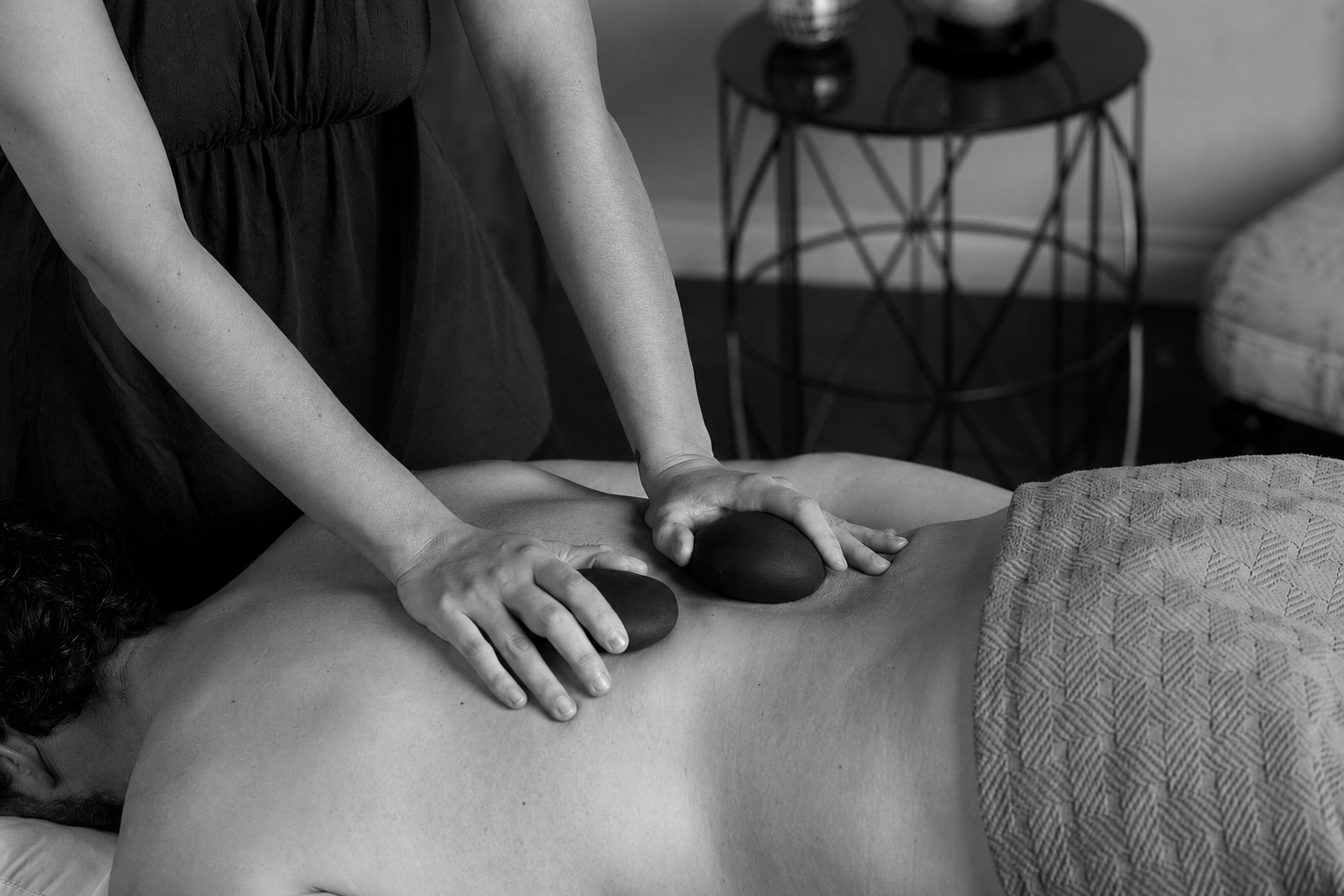
How Yotam Uses Deep Tissue Work Within BodyReset
Deep tissue massage uses slower strokes and focused pressure across relevant soft tissue. During a BodyReset, Yotam can combine broader work around the lower back and hips with more localized techniques when appropriate. The pace, pressure, and areas included depend on your needs; persistent discomfort does not automatically call for firmer work.
Depending on your assessment and consent, Yotam may include the lower back, hips, glutes, or other relevant areas. He considers how those areas relate to your movement and comfort rather than automatically limiting the session to the sore spot. You can discuss which areas you would like addressed or avoided.
Yotam may complement deep tissue work with:
Trigger point therapy: Focused pressure on tender muscular areas, adjusted to your feedback.
Myofascial release: Sustained pressure or movement applied to soft tissue, including the connective tissue around muscles.
Sports massage techniques: Work adapted to training or performance demands when those activities are relevant.
Swedish massage: Flowing strokes and kneading, with pressure adapted to your comfort.
Assisted stretching: Guided movement within a comfortable range when suitable for your symptoms and health history.
What to Expect from a BodyReset with Yotam
Your session begins with a conversation about when the discomfort started, which activities affect it, and what you would like to do more comfortably. Tell Yotam about recent injuries, diagnoses, surgery, medications, and any current treatment or rehabilitation. He may observe comfortable movements and assess relevant soft tissue by hand to guide the work. This assessment does not replace a medical diagnosis.
You do not need to choose a technique before your session. Yotam can explain the proposed approach and discuss pressure and positioning with you. You can request lighter pressure, decline work on an area, or pause at any time. Tell him immediately about sharp or shooting pain, tingling, or a need to brace or hold your breath so he can stop or adjust the work.
Afterward, discuss how you feel and ask Yotam about activity appropriate to your response. Mild soreness can occur, but it is not a measure of effectiveness. Seek medical advice for severe, unusual, or worsening symptoms.
When comparing massage providers in New York, check both the practitioner’s license and current registration through the NYSED Office of the Professions.
For more about the areas this work may address, explore our neck, shoulder, and back massage page.
What Does the Research Say?
Research on massage covers several approaches and does not establish that deep tissue is the best technique for everyone. A 2015 Cochrane review found short-term improvements in pain and function compared with inactive controls for subacute or chronic nonspecific lower back pain, but those advantages were not maintained at longer follow-up in that comparison. The evidence was rated low or very low quality.
WHO’s 2023 guideline conditionally recommends massage as part of broader care for chronic primary lower back pain, based on very low-certainty evidence. This concerns massage generally; it is not proof of effectiveness or superiority for deep tissue specifically.
The practical question is whether a session supports a goal that matters to you, such as getting up from a chair or moving more comfortably. Discuss your response with Yotam and reassess any benefit alongside your wider care needs.
When to Seek Medical Care First
Back pain with new bladder or bowel changes, loss of sensation around the genitals or anus, or pain, numbness, tingling, or weakness in both legs requires emergency assessment. Back pain following a serious accident also needs emergency care. Do not wait for a massage appointment.
Seek prompt medical advice if pain starts severely and suddenly, worsens quickly, or comes with fever or feeling unwell. Arrange an assessment for persistent or recurring symptoms, pain affecting daily activities or sleep, or unexplained leg symptoms. NHS guidance on back pain distinguishes these warning signs.
If you have a diagnosed disc condition, sciatica, or another medical condition, discuss massage suitability and precautions with your healthcare professional before booking.
Client Experiences at Mudras
Listening and adapting the session are central to Mudras’ approach. The feedback below describes individual experiences with Mudras; it is not presented as feedback specifically about founder sessions.
Clients have described their experiences on our Google Business Profile:
"They asked and listened, customized the techniques." Anastasiia Aslanidi, athlete and coach.
Vanessa Fry says her therapist took time to learn what her body needed, and that the deep tissue work was effective and comfortable.
"Each session is thoughtfully customized based on how my body feels that day." Genna Durante, fitness professional and dancer.
Read the full reviews on our profile. These are individual experiences and do not establish what massage will do for a particular lower back condition.
Supporting Comfortable Movement Between Sessions
Break up long periods in one position and include comfortable movement in your day. Short walks or position changes may be practical places to start. Avoid forcing stretches or exercises through pain.
If back pain persists, a qualified clinician can help you choose an appropriate exercise or rehabilitation plan. A generic core or hip routine will not suit every condition. Follow-up massage should depend on your goals, response, and wider care needs, rather than a preset number of visits.
Inquire About a BodyReset with Yotam in Chelsea, NYC
If you are considering bodywork for familiar lower back tension, our team can help you explore a founder BodyReset with Yotam. He adapts the techniques, pressure, and pace to your needs, with deep tissue work included when appropriate.
Submit an inquiry through the Mudras website and share what you would like to address, along with your preferred appointment times. Our team will help coordinate Yotam’s availability and answer questions before arranging your session.
Frequently Asked Questions
Q. How often should I get massage for lower back pain?
There is no standard interval. Discuss your goals, then reassess based on how you respond and whether any improvement lasts. A flare-up may need assessment before massage, especially if symptoms are new or different.
Q. Is deep tissue massage safe with a herniated disc or sciatica?
Suitability depends on your symptoms, diagnosis, and medical advice. Massage does not repair a disc or establish why pain is traveling down a leg. Ask your treating clinician about precautions and share that guidance with Yotam before your session.
Q. Does deep tissue massage have to hurt?
No. Pressure should be adapted so you can breathe comfortably and communicate throughout. Pain is a reason to adjust or stop the work, not a requirement for benefit.
Q. Can massage make back pain worse?
Temporary soreness or increased pain can occur. Tell Yotam about your response, and seek medical advice for severe or worsening pain, new symptoms, or symptoms that do not settle. Increased pain is a reason to reassess the approach.
Q. How long until I feel better?
Responses vary. Some people notice a short-term change, while others do not benefit. There is no guaranteed number of sessions or recovery timeline. If symptoms remain unchanged or keep returning, consider further assessment rather than assuming you need more massage.