


Massage for Runners in NYC
Marathon preparation and recovery at Mudras in Chelsea
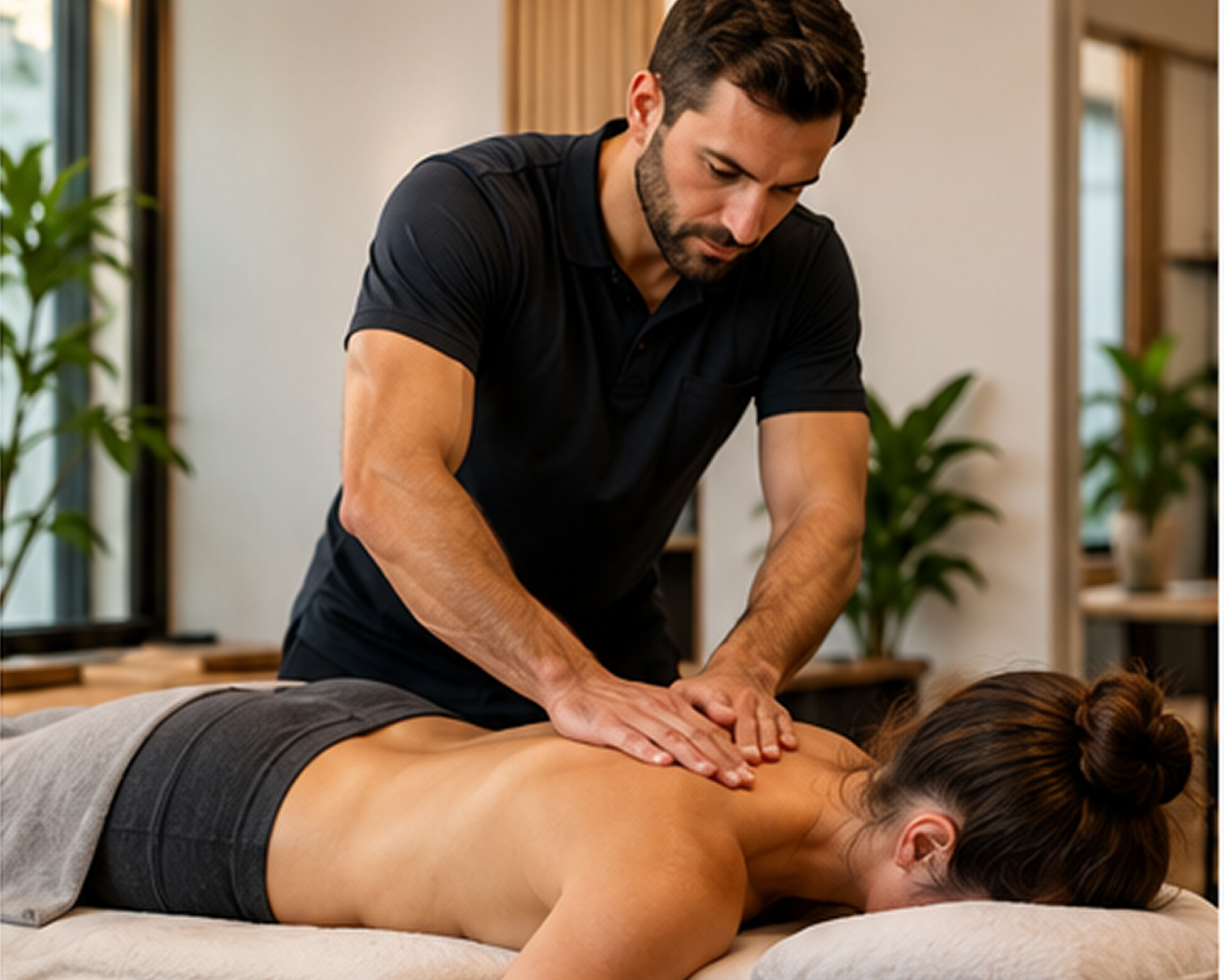
Marathon training changes what your body needs from session to session. At Mudras in Chelsea, our signature BodyReset approach adapts therapeutic bodywork to your mileage, areas of tension, and race schedule. Technique and pressure are selected intentionally, whether you are building mileage, tapering, or recovering after race day.
Our specialists are personally selected by founder Yotam Kafri to deliver a tailored approach. Founder sessions offer access to Yotam’s more than 25 years of experience and international work with athletes and performers. His availability is limited; contact Mudras to inquire about a session.
How Bodywork Changes Across Marathon Training
Peak mileage, taper week, and the days after a race place different demands on your body. At Mudras, your training stage informs the session without determining a fixed sequence of techniques. We consider your goals, areas of concern, and response to the work throughout the appointment.
Common Areas of Discomfort During Marathon Training
Running-related discomfort can have different causes. These descriptions identify areas to discuss with your specialist; they do not diagnose the source of pain.
Feet and Arches
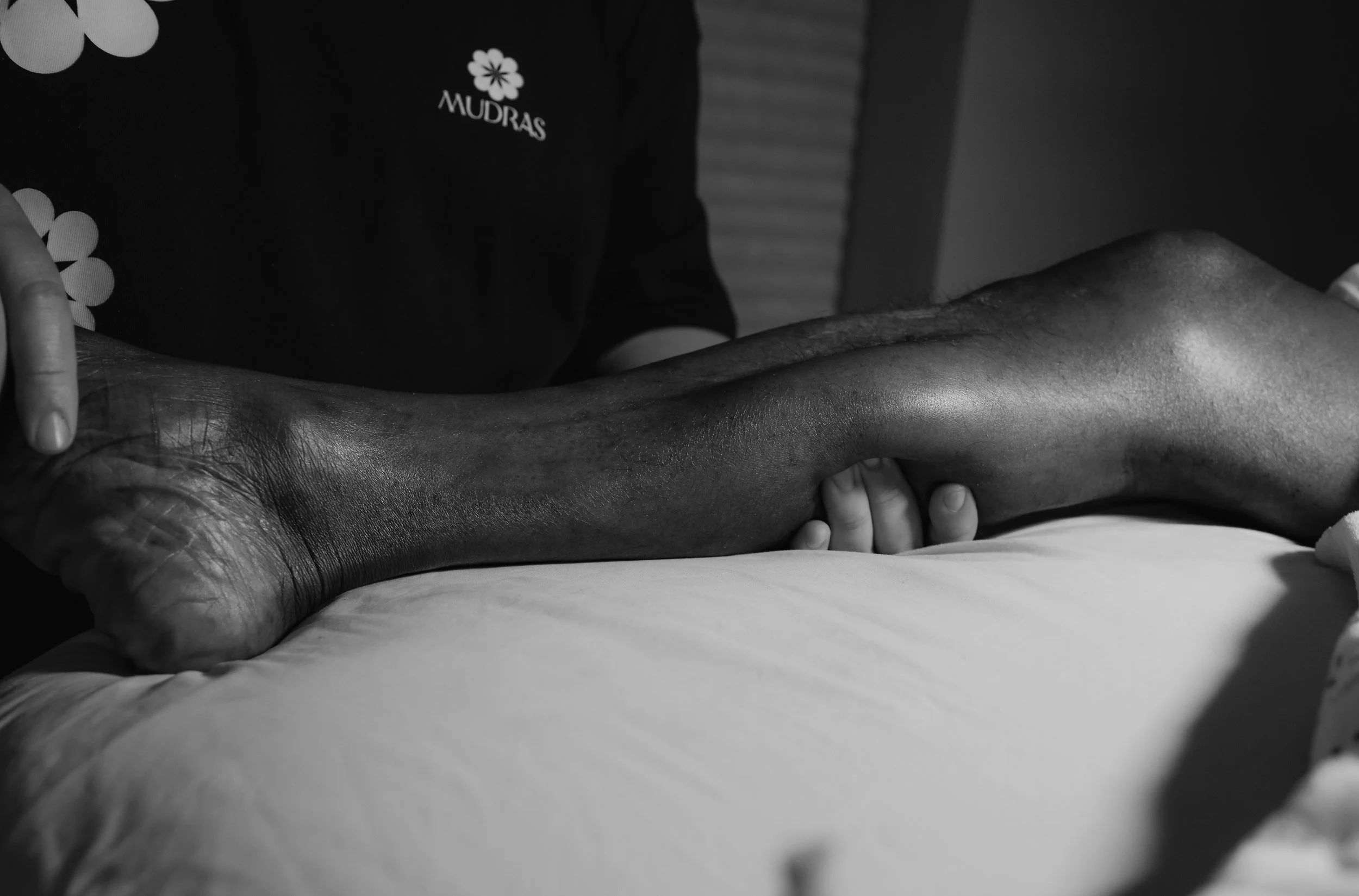
Long runs may leave the feet feeling tired or tight. Depending on your needs, the session may include work on the feet, calves, and lower legs.
Calves and Shins
You may notice muscular tightness between runs. Work on the lower legs is selected according to your symptoms and pressure tolerance. Persistent or localized pain should be evaluated before bodywork.
Hips and Lower Back
Training and prolonged sitting may leave these areas feeling stiff. Your specialist can include targeted work on the hips, glutes, and back where appropriate.
Neck and Shoulders
Some runners notice upper-body tension during or after longer runs. Share those concerns so the session can address relevant areas beyond the legs.
Sharp, sudden, persistent, or recurring pain warrants evaluation by a physician or physical therapist. Massage complements appropriate medical care; it does not replace diagnosis, injury treatment, or rehabilitation.
Planning Massage
Before a Marathon
After a Marathon or Half Marathon
Planning Massage Before a Marathon
Timing depends on your previous response to bodywork, training load, and goals. Allow space between demanding exercise and massage where possible, and discuss your race date before booking.
During taper and race week, technique and pressure should reflect your current needs and tolerance. Avoid unfamiliar or unusually intense bodywork close to competition. There is no single pre-race booking window that suits every runner.
Does Massage Flush Lactic Acid After a Run
No. Massage should not be described as a method for flushing lactate. A controlled study of post-exercise recovery did not find that deep or superficial massage improved blood lactate clearance compared with passive recovery.
Delayed-onset muscle soreness, or DOMS, is the soreness that develops in the hours and days after demanding or unfamiliar exercise. It is distinct from immediate fatigue and involves a complex response to exercise, including changes in muscle and surrounding tissue and pain sensitivity. Lactate does not explain the delayed pattern of soreness.
Massage may help ease post-exercise soreness. A systematic review published in Frontiers in Physiology found lower reported soreness at 24, 48, and 72 hours after strenuous exercise among participants who received massage compared with no intervention. Results vary, and these findings do not establish guaranteed recovery or injury prevention.
Planning Massage After a Marathon or Half Marathon
After a race, the right time for bodywork depends on your symptoms, overall recovery, and comfort. A fixed waiting period does not establish that you are ready for massage. Share how you feel and any relevant medical guidance before scheduling.
If massage is appropriate, pressure and technique are adjusted to your tolerance. Deeper work is not automatically better, and increased intensity should not be assumed as the week progresses. The same individualized approach applies after a half marathon.
If you finish with an injury or sharp, persistent, or recurring pain, seek evaluation from a physician or physical therapist first. Follow their guidance on whether bodywork is appropriate and any restrictions.
Appointments are subject to availability; advance booking is recommended. Mudras’ published office hours are Monday to Saturday, 11 AM to 9 PM, with Sunday closed.