

Techniques Used in a Custom Massage
Think of a skilled massage therapist like a master chef. They don't just follow one recipe; they have a pantry full of incredible ingredients and know exactly how to combine them to create the perfect dish for you. In massage, those ingredients are the different techniques and modalities learned over years of practice. A truly custom massage isn’t about choosing one style from a menu. It’s about your therapist drawing from their extensive toolkit to address what your body needs at that exact moment.
Maybe you came in stressed from work and need gentle, flowing strokes to calm your nervous system. But you also have a stubborn knot in your shoulder from sitting at a desk all day. A great therapist will blend relaxing Swedish techniques with targeted trigger point therapy to soothe your mind and release that specific tension. This ability to mix, match, and adapt is what makes a personalized session so effective. It’s a dynamic conversation between you, your therapist, and your body, ensuring you walk out feeling not just better, but truly cared for.
Swedish and Deep Tissue
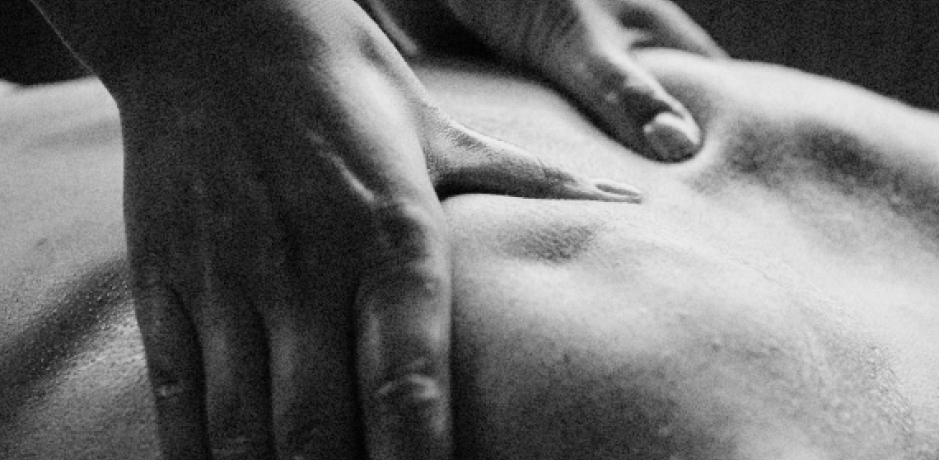
These two are the bread and butter of the massage world, and for good reason. Think of Swedish massage as the foundation. It uses long, flowing strokes, gentle kneading, and circular movements to help you relax. Its main goals are to ease muscle tension and improve circulation, making it perfect for de-stressing.
Deep tissue massage, on the other hand, is more like a focused repair job. It uses slower, more forceful strokes to target the deeper layers of muscle and connective tissue. It’s the technique your therapist will use to work on chronic aches and stubborn knots. A skilled therapist often uses Swedish techniques to warm up your muscles before applying deep tissue pressure to the areas that need it most.
Sports Massage for Recovery
You don’t have to be a professional athlete to benefit from a sports massage. If you have an active lifestyle—whether you’re a runner, a dancer, or a weekend warrior—this one's for you. Sports massage is specifically tailored to the muscles you use most in your chosen activity. The focus is on preventing injuries, reducing pain, and helping your body recover faster so you can get back to doing what you love.
The techniques often include deep tissue work, stretching, and other methods designed to address tension and improve flexibility. A sports massage can be a game-changer for your performance and longevity, helping your muscles stay healthy and resilient.
Trigger Point and Myofascial Release
Have you ever had a "knot" in your shoulder that sends a little zing of pain somewhere else when you press on it? That’s a trigger point. Trigger point therapy is a highly focused technique where your therapist applies direct pressure to these specific points to release them. This can provide immense relief from both localized and referred pain.
Myofascial release works on a similar principle but targets the fascia—the thin web of connective tissue that wraps around all your muscles. When fascia gets tight, it can restrict movement and cause pain. This technique uses gentle, sustained pressure to stretch and release the fascia, restoring mobility and easing discomfort.
Thai and Acupressure
Drawing from ancient Eastern healing traditions, Thai massage and acupressure bring a unique focus on energy flow and flexibility to a session. Thai massage is often called "lazy person's yoga" because your therapist will guide your body through a series of stretches while applying rhythmic pressure along your body’s energy lines. It’s performed on a mat on the floor, and you remain fully clothed.
Acupressure involves applying firm pressure to specific points on the body. The idea is that these points, or "acupoints," are connected to energy pathways. Applying pressure can help release blockages, reduce tension, and restore balance. Integrating these holistic techniques can leave you feeling both relaxed and energized.
Reflexology
Reflexology is so much more than a simple foot massage. This ancient practice is based on the principle that there are specific points on the feet, hands, and ears that correspond to all the different organs, glands, and parts of your body. By applying targeted pressure to these reflex points, a therapist can help release tension and promote balance throughout your entire system.
It’s a deeply relaxing and grounding experience that can help reduce stress and support your body’s natural healing processes. Many people are surprised by how a session focused on their feet can make their whole body feel lighter and more at ease. It’s a wonderful addition to any custom massage.